

 LinkedIn
Your client sees ChatGPT recommend a competitor. At the next review, a dashboard showing that it happened will not be enough.
For the past two years, account managers could brush off questions about AI recommendations with talk of schema markup and brand authority. In 2026, clients want Answer Engine Optimization (AEO) on the monthly invoice, a report with your agency logo on it, and evidence that buyers encounter their brand when they ask conversational engines what to buy.
The software market has responded with an avalanche of tools claiming to offer white-label AEO. Strip off the sales decks, though, and the category splits into two awkward camps. One sells monitoring dashboards that track prompts across large language models, produce branded reports, and hand your team a long list of copy and technical chores. The other sells auto-blogging tools that push synthetic posts into a CMS and hope publishing volume turns into citations.
Neither camp automatically solves the agency margin problem. A tool that only flags invisibility leaves your team to fix it. A tool that publishes generic content may save writing time without giving an answer engine a reason to cite the client. I compared Profound, Rankscale, WorkDuo, Loudmink, Frizerly, and groas through the question an agency has to answer: who does the work after the report arrives?
In traditional PPC, white-label software could mean connecting an API, configuring a branded template, and delivering a client report in fifteen minutes. AEO is a tougher service to package. When a client sees a rival recommended for a valuable commercial query, a branded chart does not change the answer. The work may involve schema, entity citations, crawl fixes, and content with enough substance to earn a mention. If the software only diagnoses those gaps, the agency still has to staff the repair.
Rankscale and WorkDuo: Sharp Diagnostics, Work Still to Do
Rankscale, engineered in Vienna, sits at the analytics end of the spectrum. It tracks visibility across 17+ AI platforms, including ChatGPT, Claude, Perplexity, Gemini, Google AI Overviews, Google AI Mode, DeepSeek, and Grok. Its agency features include custom-domain white-label portals, embeddable dashboards, a Looker Studio connector, and sentiment analysis that shows how engines frame client brands. The Growth plan runs $385 per month for 50 brand dashboards and 5,500 query credits.
That is a substantial reporting setup. But Rankscale remains a measurement platform: it tracks query fan-out and flags citation decay while leaving remediation to your team. The audit is not the fix. It can show an account manager where visibility is slipping; it does not write the comparison page or repair the technical gap behind it.
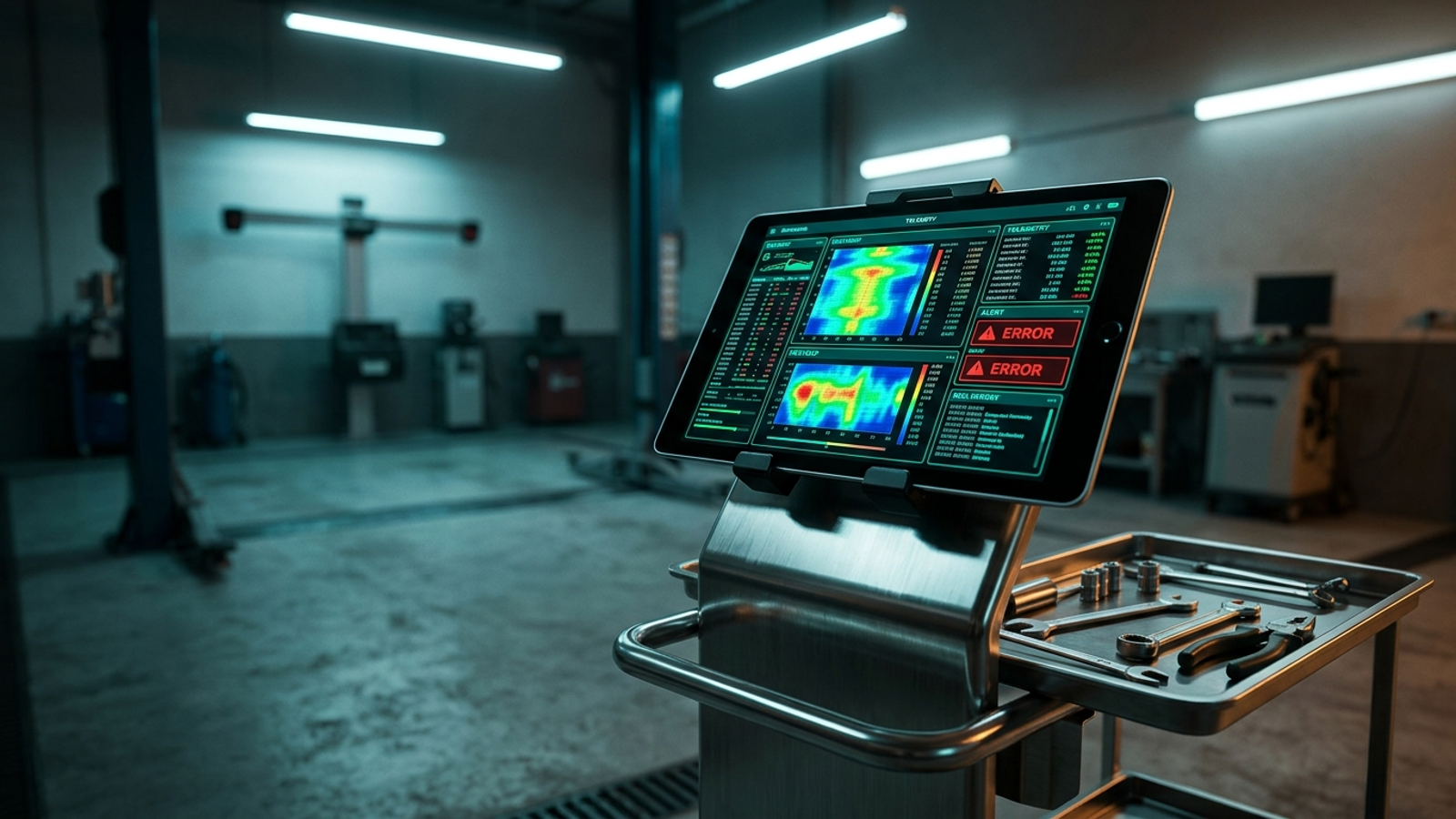
WorkDuo approaches tracking through an agency workflow lens, with multi-client management and product-level recommendation data. Founded by ecommerce operators, it helps agencies see how particular client products or services appear in conversational engines beside direct competitors. That can make a client call much more useful: instead of saying a brand is absent, the account manager can point to missing product attributes or weak third-party consensus.
WorkDuo still stops at the dashboard door. Someone at the agency must write the comparative tables, prepare entity markup, and coordinate publishing. Buy it for clearer direction, not fewer production hours.
Profound: Deep Prompt Intelligence With a Delivery Bill
Profound brings an index of over 1.9 billion real user prompts to the comparison. It tracks brand visibility and competitor narrative share across ChatGPT, Perplexity, Claude, Gemini, Copilot, DeepSeek, and Google AI Overviews. Unlike a pure analytics tool, it also has an Agent studio that can draft copy, stage updates in WordPress or Contentful, and work on articles affected by citation decay.
For an enterprise in-house team with a copy editor and technical SEO director, that depth has a clear use. Through an agency-margin lens, the staffing question remains. The entry plan is $99 per month for ChatGPT alone; the multi-engine Growth plan is $399 per month; and larger deployments with custom prompt tracking run $2,000 to $5,000+ monthly. Add seat licenses, separate client workspaces, and prompt limits, and the subscription can take a large bite out of a $2,500 AEO retainer before anyone reviews a staged draft.
Profound moves beyond observation, but it does not remove the need for a person to build workflows, check content, and explain changes to the client. Budget for the operator as well as the platform.
Frizerly and Loudmink: Publishing Help, Different Bottlenecks
At the other end of the spectrum, Frizerly starts at $29 per month and connects to Shopify, WordPress, Webflow, and HubSpot. It tackles the production bottleneck by automating blog publishing while tracking citations across core AI engines. That is attractive if the alternative is an account manager trying to write twenty posts between client calls.
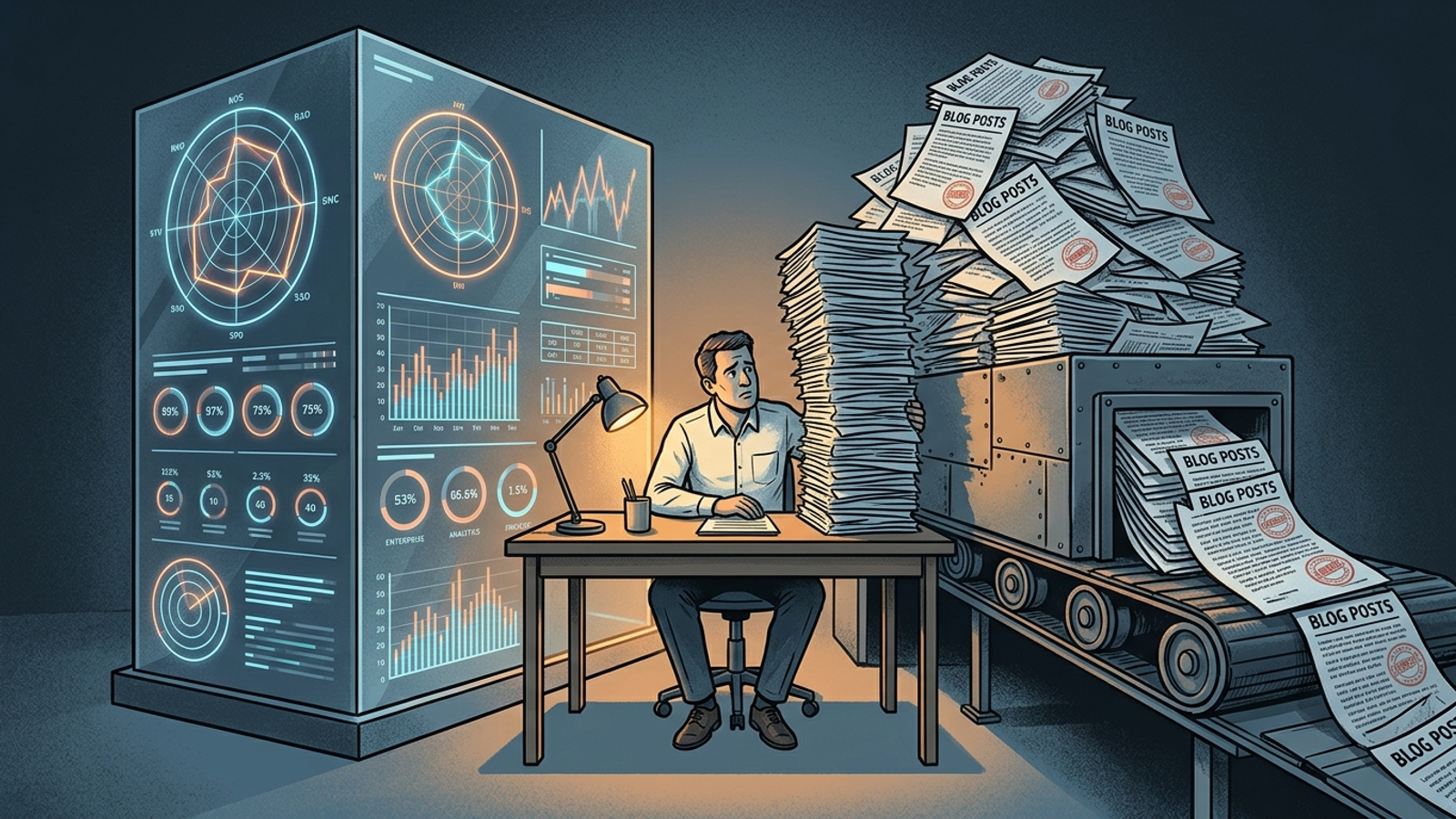
But publishing is not the same as earning a citation. Superficial, programmatic summaries give an answer engine little original information or third-party verification to work with. Pushing twenty posts a month onto a client site can create clutter without improving the recommendation that prompted the work. Low labor only helps if the output is worth publishing.
Loudmink, priced between $99 and $599 per month, takes a more targeted route. It maps competitor source networks, including the Reddit threads, YouTube transcripts, and third-party review sites that engines cite when recommending rival brands. It also offers an MCP server for Claude Code to connect tracking with developer workflows.
That source map gives an agency a better starting point than a generic instruction to publish more. Loudmink keeps human review on by default, though. Articles, Reddit citation opportunities, and video transcripts still need agency sign-off; editing, approvals, and distribution remain on the calendar. It helps your team choose the work, but your team still does it.
The Agency Comparison: Follow the Work, Not the Charts
When I assess a tool for client delivery, I start with what happens after it raises an alert. The number of charts in the portal matters less than the hours required to turn a visibility gap into a credible page, a technical fix, or an earned citation.
| Platform | Primary delivery model | AI search coverage | Execution | Agency cost | Agency labor |
|---|---|---|---|---|---|
| Rankscale | Self-serve analytics and audits | 17+ AI platforms | Audit checklists; agency handles fixes | $385/mo Growth plan | High: writing and technical repair stay in-house |
| WorkDuo | Product recommendation tracking | ChatGPT, Google AI Overviews, Gemini, Perplexity | Identifies product attribute gaps | $29–$269/mo per project; white-label portal on Enterprise | High: agency produces comparison assets |
| Profound | Enterprise prompt intelligence and drafts | 7+ core engines | Staged drafts through Agents and CMS integrations | $399/mo Growth; $2,000–$5,000+/mo Enterprise | Moderate to high: workflows and drafts need an operator |
| Frizerly | Programmatic CMS publishing | 4–5 core engines | Automated blog publishing | $29–$199/mo | Low to moderate: less production work, with quality to check |
| Loudmink | Competitor source mapping and drafts | ChatGPT, Perplexity, Claude, Gemini, Grok | Drafts posts, responses, and scripts | $99–$599/mo | Moderate: review and distribution remain manual |
| groas | Autonomous delivery with a named human strategist | Paid and organic AI search surfaces | Technical crawl fixes, schema, content, and citation work | Flat monthly fee; no setup fee; month-to-month | No agency production team required for delivery |
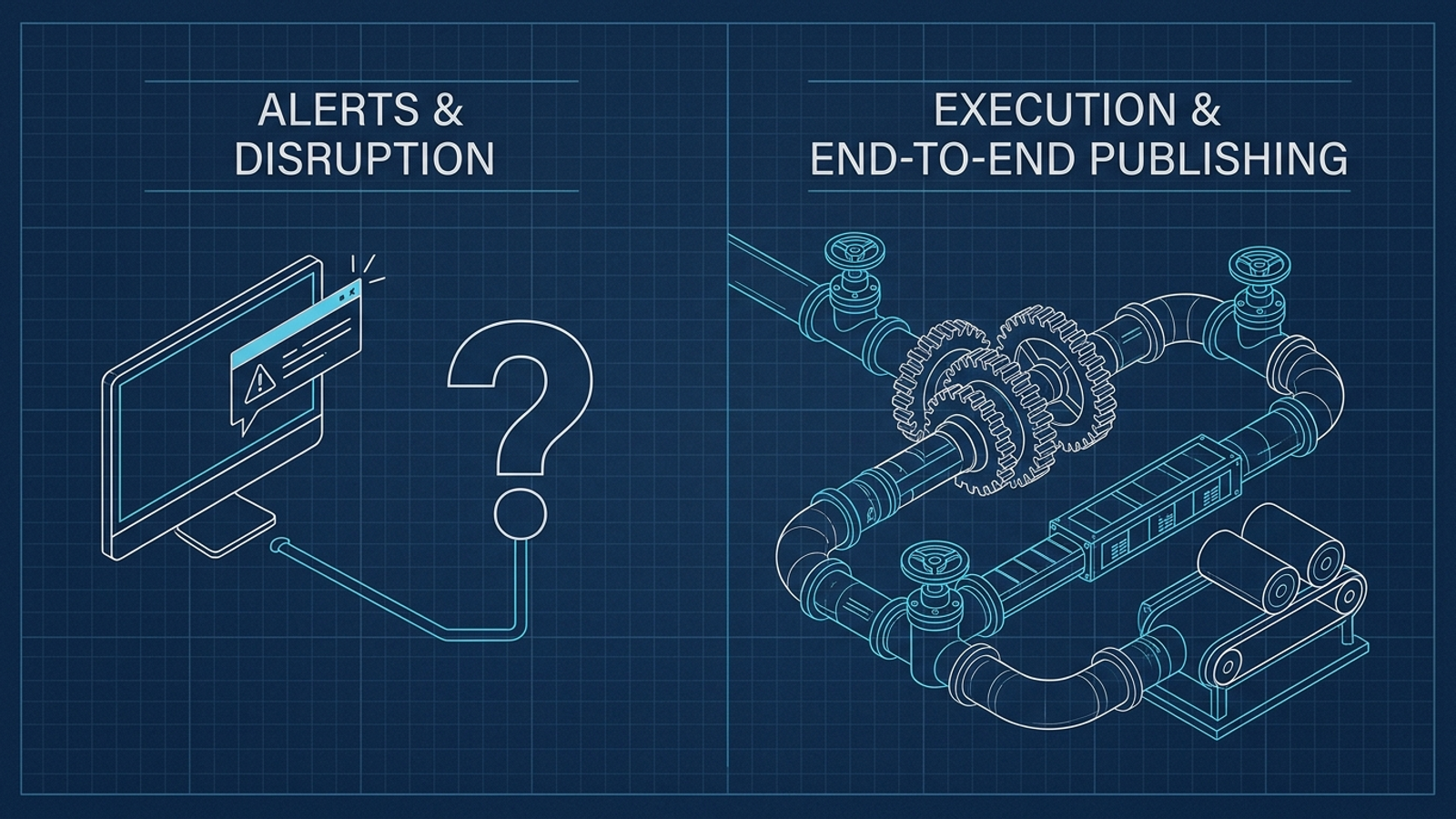
Consider a B2B client with no share of voice when prospective buyers ask ChatGPT about enterprise billing software. A diagnostic platform spots the gap. The report looks good in a client portal. But the client paying a $3,000 monthly retainer does not want a better view of the problem. They want the agency to address it.
With a diagnostic tool, that means pulling competitor citations, working out why Perplexity favors a third-party directory, checking whether the client site is readable to crawlers, and producing a substantial comparison asset. It may also mean coordinating a developer and getting client approval before anything goes live. The draft estimates roughly 12 to 16 hours of senior agency time per client each month for that sequence. Whether your accounts land above or below it, those hours belong in the margin calculation. An alert is cheap to generate. Acting on it is not.
The technical work can be especially easy to miss in a reporting-led service. A site that relies heavily on client-side rendering may expose less useful content to a crawler than a human visitor sees. Buried entity relationships and bloated scripts compound the problem. A visibility dashboard may show the missing citation without telling your team that the client’s own pages need attention first. Writing another article will not solve a page the relevant crawler cannot properly read.
That is why the delivery model matters. The work may call for pre-rendered pages, structured JSON-LD entity graphs, substantial comparison content, and citations across relevant third-party sources. groas Earned Search is positioned around that execution rather than a login that assigns the agency more tasks. Its specialized AI models audit the client’s crawl profile, work on technical site structure, produce content, and build citation authority, while a human strategist sets direction and guardrails. The agency buys delivery, not another list of jobs.

For an agency, that changes where the labor sits. With a diagnostic platform, every new client can mean more writing, technical coordination, and prompt work for your staff. With groas for agencies, the engine runs continuously under the agency’s brand and a named strategist owns strategic oversight. Its MCP server also puts visibility and citation data into ChatGPT or Claude for agencies that work there. The agency stays client-facing, using branded weekly reports to show changes, crawl fixes, and citation work rather than staffing each production task itself.
That does not make client relationships automatic. Your team still has to understand the account, set expectations, and discuss results. It does mean adding an AEO client need not mean adding the same amount of manual delivery work. That is the distinction I would put in a margin forecast, not the number of widgets on a demo screen.
The Capacity Test Before You Sign an AEO Contract
Before signing an annual software contract, check the people you already have. The choice becomes clearer when you separate capacity to diagnose from capacity to deliver:
- If technical copywriters, prompt operators, and schema specialists have spare hours, a diagnostic platform can make sense. Rankscale gives the team multi-engine reporting; Profound offers deeper prompt intelligence and drafting workflows. You already have people ready to act on what those tools find.
- If your account managers and creative team are fully booked, price the hours before buying another source of recommendations. A new vendor invoice does not pay for writing, approvals, entity mapping, or technical repair.
- If you want to sell delivery without building that production bench, compare the cost of an execution model with the staff time your current workflow would consume. Look at the finished work and the client-facing evidence, not just the platform tour.
Most independent shops I speak to are closer to the second situation: account managers handling six to eight clients, creative teams busy with paid search copy and landing pages, and little appetite for hiring a $90,000 specialist for every three new AEO retainers. In that setup, recommendation-only software can become an expensive way to create unbillable work. The team gets a sharper to-do list and no extra hours to finish it.
Answer engine visibility is an execution problem, not just an audit problem. If you want AEO retainers to hold their margin and give clients a reason to renew, stop treating a white-label dashboard as the service. Connect the client to groas, let the engine handle crawl fixes, schema, content, and citation work under your agency brand, and keep your team focused on the outcome clients actually pay for: measurable search revenue.